What “Chumuckla” Means (And Why It Still Fits Today)
Some town names sound like they belong exactly where they are.
Chumuckla is one of them.
If you’ve ever driven through the northern part of Santa Rosa County, you probably noticed the name immediately. It feels old. Rooted. Like it’s been there longer than the roads around it.
And in many ways, it has.
But what exactly does “Chumuckla” mean?
The answer depends a little on who you ask — and that’s part of what makes the history interesting.
The Meaning Most Locals Grew Up Hearing
For generations, many people in Northwest Florida have associated the word “Chumuckla” with phrases like:
“Healing Waters”
“Good Water”
That interpretation became closely tied to the area’s natural mineral springs and the long-standing local stories surrounding them.
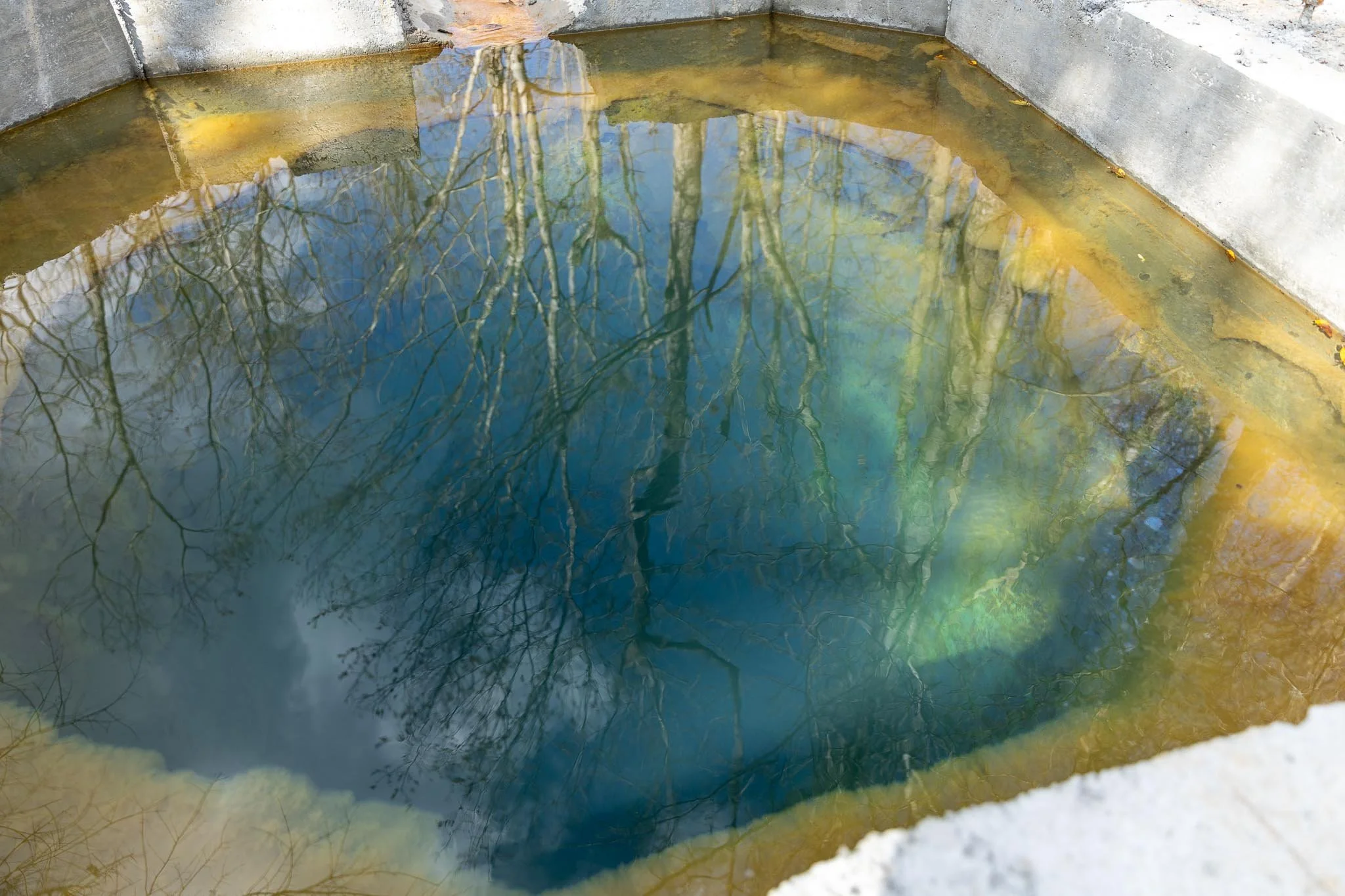
By the late 1800s and early 1900s, the springs around Chumuckla had developed a reputation for their supposedly restorative mineral water. Hotels were built nearby, water was bottled and shipped out, and travelers came to the area seeking rest and recovery.
Because of that history, “healing water” became deeply connected to the identity of the community itself.
Even today, many longtime residents still use that interpretation when talking about the origin of the name.
The More Complicated Historical Translation
But historically speaking, the exact translation may not be quite that simple.
Some researchers and Muscogee Creek historians argue that “Chumuckla” more likely comes from a Creek/Muscogee word connected to reverence or “bowing the head low.”
According to local historical research shared through Chumuckla community archives, the word may have referred to a sacred or respected place rather than directly translating to “healing water.”
And honestly, those ideas may not be as different as they first sound.
Throughout many cultures — including Indigenous cultures across North America — springs and natural water sources were often treated as spiritually important places. Water itself carried meaning beyond simple survival.
So while “healing water” may not be the literal linguistic translation, it likely reflects the way people understood and experienced the area for generations.
Why Water Mattered So Much Here
Long before highways or modern tourism, fresh water shaped where people settled.
And in Northwest Florida, areas around rivers and springs naturally became gathering places.
The Escambia River system, nearby springs, fertile land, and dense forests made this part of the Panhandle especially important to the people who lived here long before modern development arrived.
Even now, you can still feel how connected the area is to the land itself.
The trees are thicker here.
The roads quieter.
The pace slower.
Water still defines the landscape in a lot of ways.
The Springs That Drew Travelers
By the early 1900s, Chumuckla Springs had become known as a regional destination.
People traveled to the springs believing the mineral water could help with various illnesses and exhaustion. A hotel operated near the springs, and bottled spring water was even shipped out by rail.
Most of those structures disappeared long ago.
The tourism slowed down. The hotel eventually burned. The area returned to a quieter rhythm.
But the feeling people came for never really vanished.
Why the Name Still Fits
That’s probably why the name still feels appropriate today, regardless of the exact translation.
Because whether you interpret Chumuckla as:
“Healing Waters”
“Good Water”
or a place worthy of reverence
…the feeling behind it still makes sense once you spend time here.
Especially along the Escambia River.
There’s a calmness to this part of Northwest Florida that’s harder to find now along much of the Gulf Coast.
People still come here looking for the same things they always have:
Quiet mornings.
Fresh air.
Space to slow down.
Not much about that has changed.
A Different Side of Florida
A lot of Florida feels fast now.
Busy roads. Packed beaches. Constant development.
But places like Chumuckla still hold onto something older.
You notice it once you leave the main highways behind.
The woods stretch out longer. The noise fades. The evenings get darker and quieter.
And honestly, that’s part of why places like Chumuckla Springs RV Resort feel different from many RV destinations near Pensacola.
The setting itself changes the pace.
You arrive expecting a place to stay.
But what people usually remember is how the area felt while they were there.
More Than Just a Name
At this point, “Chumuckla” has become more than a literal translation anyway.
It represents a certain kind of Northwest Florida experience.
Natural.
Quiet.
Unhurried.
Connected to the land and water around it.
And whether people came here a hundred years ago for “healing waters” or simply because the area made them feel better for a while…
that part still fits today.