The Rise and Fall of Florida’s Mineral Springs Tourism
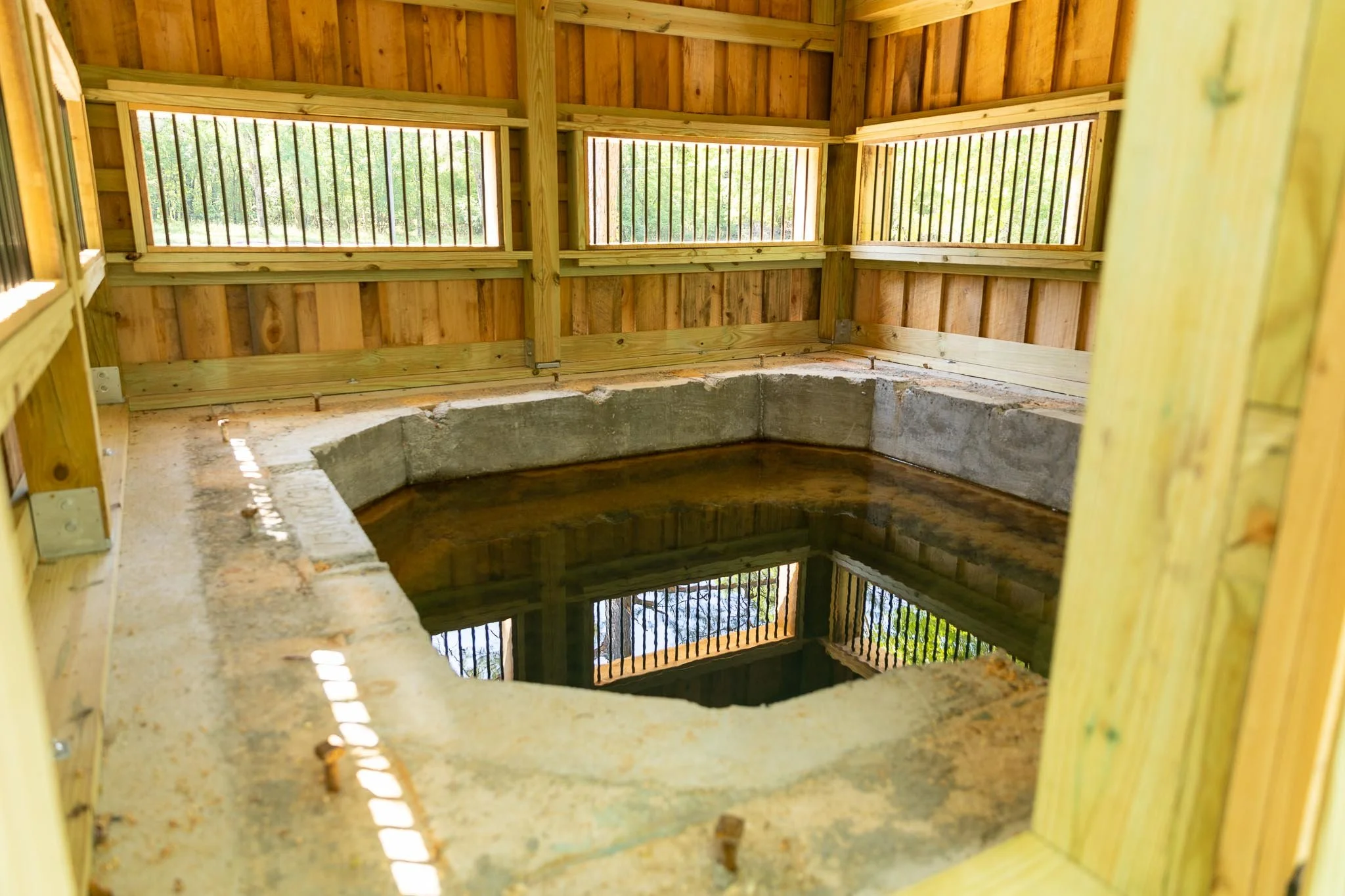
Before Florida became known for beaches, theme parks, and fast-paced vacations, people came here for something much simpler.
Across the state, natural springs drew travelers who believed the water could help them feel better — physically, mentally, or both. It wasn’t a quick stop. It wasn’t a packed itinerary.
It was a slower kind of travel.
And for a time, it shaped how people experienced Florida.
When the Springs Became a Destination
In the late 1800s and early 1900s, mineral springs were a real draw.
Not just in Florida, but across the country.
People believed certain waters — rich in natural minerals — could help with everything from joint pain to general fatigue. Doctors sometimes recommended them. Word spread through newspapers, travel guides, and simple conversation.
Florida, with its warm climate and abundance of natural springs, became part of that movement.
Travelers made their way south, often staying for days or even weeks.
They weren’t rushing through.
They came to rest, spend time outdoors, and step away from the pace of everyday life.
In places like Northwest Florida, where development hadn’t taken over, that quiet came naturally.
What Those Early Trips Looked Like
It’s hard to compare those trips to modern travel.
There were no tight schedules. No “must-see” lists.
People built their days around simple things.
They might start the morning near the spring, taking in the air and the water. Spend part of the afternoon walking the surrounding land. Sit outside in the evening, letting the day wind down without much noise.
There was time.
And that’s really what people were after.
Even when the belief in “healing waters” was the reason for the trip, the setting played just as big of a role.
The:
quiet
space
and slower rhythm of the day
Those things stayed with people.
The Peak of Spring Tourism
For a stretch of time, spring tourism grew into something more organized.
Some locations developed small inns or gathering places nearby. Others became known through reputation alone.
Travelers returned year after year.
It wasn’t mass tourism in the way we think of it today. But it was steady.
These places became part of how people escaped.
Before “vacation culture” fully took shape, this was one of the ways people got away.
What Changed
Over time, things shifted.
Transportation improved. Roads expanded. Travel became faster and more accessible.
And with that, expectations changed too.
People started looking for more to do in less time.
Destinations evolved to meet that demand.
Coastal areas grew. Larger attractions took shape. Travel became something you filled with activity instead of something you slowed down for.
At the same time, the belief in mineral springs as a form of healing lost some of its influence.
Medical understanding changed.
And the cultural focus moved away from those kinds of destinations.
Little by little, many of the smaller spring sites faded from attention.
Some were preserved. Others disappeared quietly into the landscape.
What Didn’t Go Away
Even though the tourism around mineral springs declined, the reason people came never really disappeared.
People still wanted rest.
Still wanted quiet.
Still wanted a place where they didn’t feel rushed.
That part didn’t change.
It just started showing up in different ways.
A Familiar Feeling in a Different Form
Today, people don’t travel to Florida for mineral springs in the same way they once did.
But if you look closely, the intention behind those trips still exists.
You see it in the way people choose quieter destinations.
In the shift away from crowded resorts.
In the growing interest in places where you can slow down instead of speed up.
And in areas like Northwest Florida, that kind of experience is still easy to find.
Where That History Still Lingers
In places like Chumuckla, the connection to that past is still there.
The name itself is often said to mean “healing water,” a reminder of how the area was once understood.
Long before RV parks or modern travel, people came here for the same reasons they do now.
They were looking for a break.
The surroundings haven’t changed as much as you might think.
You still have:
trees instead of development
open space instead of crowds
quiet that settles in at the end of the day
That feeling — the one people traveled for — didn’t go anywhere.
A Slower Kind of Travel, Then and Now
The rise of mineral springs tourism wasn’t just about water.
It was about what the experience gave people.
Time to slow down, step away, and feel like they weren’t being pulled in every direction.
That’s the same thing a lot of travelers are looking for today.
It just looks a little different now.
Instead of inns and springhouses, it might be an RV parked under a line of pines.
Instead of long journeys by rail, it’s a drive just outside of town.
But the feeling is familiar.
Why It Still Matters
It’s easy to think of this as history.
Something that happened, then faded.
But it explains a lot about what people are still drawn to.
Why quieter places stand out…
Why certain destinations feel different…
And why some trips stay with you longer than others.
Because at the center of it all, the goal hasn’t changed much.
People are still looking for a place where they can slow down.
A Different Way to Experience Northwest Florida
If you’re traveling through the Pensacola area, it’s worth remembering that the busiest places aren’t the only ones worth seeing.
Some of the most meaningful parts of this region sit just a little further inland.
Along rivers. Through quiet stretches of land. In places that haven’t been shaped by heavy tourism.
Places like Chumuckla Springs RV Resort carry a small piece of that history forward.
Not by recreating it exactly.
But by offering the same kind of environment people were looking for back then.
A place to settle in and rest.
A place where the pace of everything else finally eases up.