Historic Mineral Springs in Florida (And What’s Left Today)
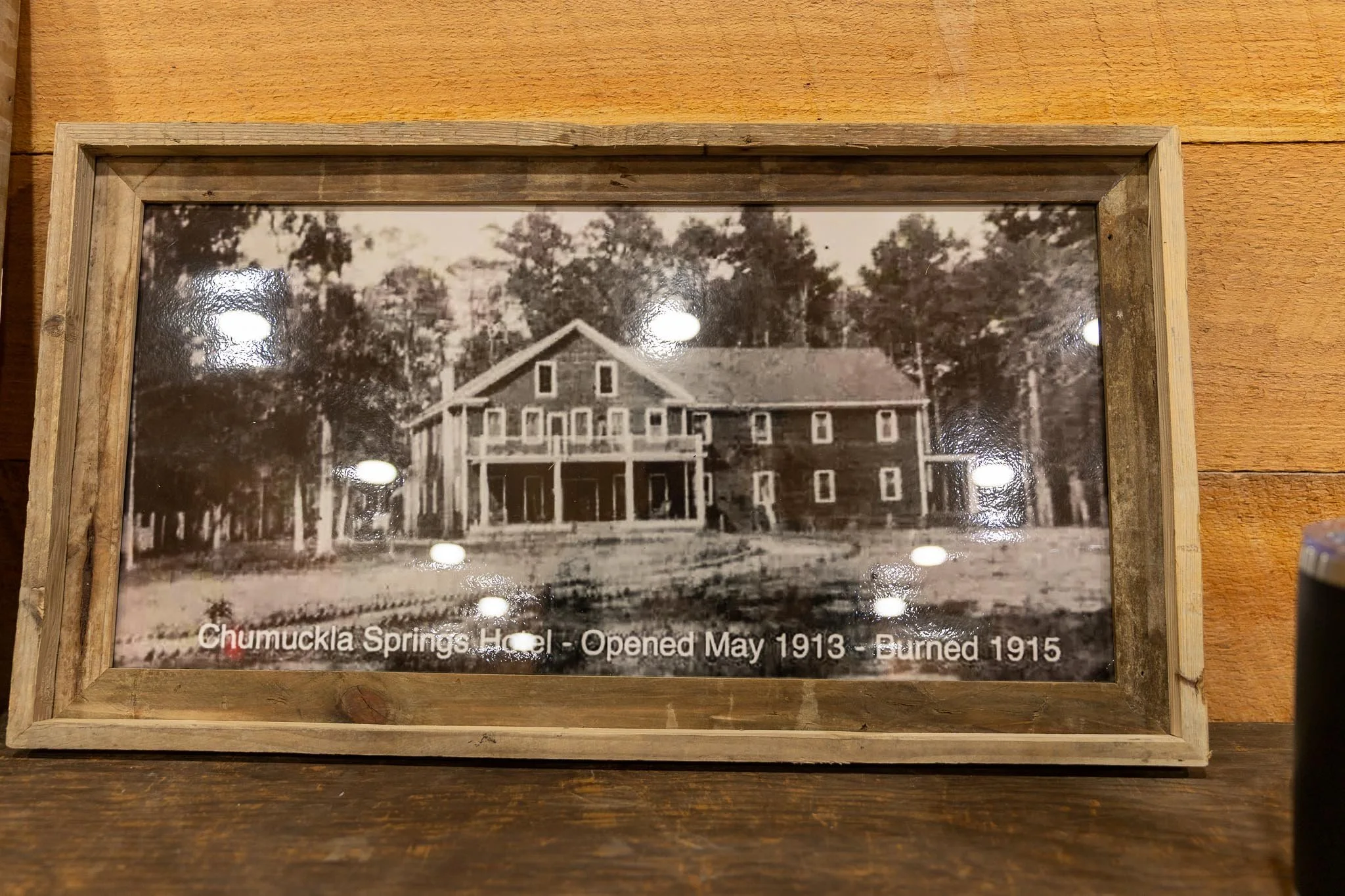
Before Florida became a place people rushed through, it was a place people came to recover.
Long before beach condos, major highways, or packed tourist attractions, travelers made their way to Florida’s natural mineral springs seeking something much quieter.
Rest.
They believed the waters could help with aches, illness, exhaustion, and stress. Some came for their health. Others came because they simply wanted somewhere peaceful to stay for a while.
And for a period of time, mineral springs tourism became one of Florida’s earliest travel industries.
Today, much of that era has faded.
Some springs disappeared from public attention altogether. Others became parks or small local landmarks. A few still attract visitors looking for the same thing people were searching for over a century ago — a slower, quieter experience surrounded by nature.
When Florida’s Springs Became Destinations
In the late 1800s and early 1900s, mineral springs were a major draw across the United States.
Florida, with its warm climate and abundance of natural springs, became part of that movement. Travelers came south believing mineral-rich waters could help improve their health and well-being.
At many springs, small hotels, bathhouses, and gathering areas eventually formed around the water.
But these weren’t vacations in the modern sense.
People came to slow down.
They stayed for days or weeks at a time. They sat near the springs, walked the surrounding woods, and let the pace of life ease up for a while.
The atmosphere was quiet by today’s standards.
And honestly, that quiet was part of the appeal.
Warm Mineral Springs — One of Florida’s Last Famous Healing Springs
One of the best-known remaining examples is Warm Mineral Springs in South Florida.
The spring is unique because it’s the only naturally warm mineral spring in Florida, maintaining an average temperature of around 85 degrees year-round. It’s also known for having unusually high mineral content.
For decades, visitors traveled there specifically to soak in the water, believing it could help with various physical ailments.
Even today, people still visit for relaxation and therapeutic experiences.
What’s interesting is that the atmosphere around the spring still feels different from a typical tourist attraction.
There’s no rush to it.
People float quietly in the water. Sit in the shade. Spend hours doing very little at all.
In some ways, it still carries the feeling those early spring destinations were known for.
Suwannee Springs — The Ruins of an Older Florida
Further north sits the historic site of Suwannee Springs, once one of Florida’s better-known mineral spring resorts.
The spring became popular in the 1800s after travelers believed the sulfur-rich water had healing properties. Eventually, hotels, bathhouses, and even elaborate resort structures were built near the springs.
Today, most of that resort era is gone.
What remains are quiet ruins near the Suwannee River — old stone structures, traces of the bathhouses, and pieces of a destination that once drew visitors from across the region.
And honestly, there’s something strangely compelling about it now.
The crowds disappeared long ago.
The forest grew back around it.
But the atmosphere remains.
You can still imagine what it must’ve felt like when people first came there looking for rest.
Green Cove Springs — A Florida Spa Town Before Florida Tourism Took Over
The town of Green Cove Springs grew around a warm mineral spring that attracted visitors long before modern tourism reshaped the state.
In the 1800s, hotels were built near the spring to accommodate travelers visiting the area for its mineral water. The spring even earned the nickname “Original Fountain of Youth.”
What’s interesting is how much the town still feels tied to the spring.
Unlike some historic springs that disappeared entirely, Green Cove Springs still keeps that connection visible. The spring continues feeding a public swimming area near the St. Johns River.
It’s one of the few places where you can still clearly see how a Florida town formed around spring tourism.
The Smaller Springs Most People Forgot
Not every mineral spring became a major resort.
Some remained smaller, local destinations known mostly through word of mouth.
Places like Worthington Springs in North Florida once drew visitors to hotels and bathhouses built around the spring waters.
Others slowly faded into the woods after tourism shifted toward beaches, highways, and larger attractions.
And that’s really the story of many of Florida’s springs.
Not dramatic endings.
Just quiet ones.
Over time, people stopped traveling specifically for mineral water. Medical thinking changed. Tourism evolved. Bigger attractions took over.
But in many places, the springs themselves never disappeared.
The History Around Chumuckla Springs
In Northwest Florida, an area around Chumuckla carries pieces of that same history: Chumuckla Springs.
The name “Chumuckla” is often associated with meanings like “healing water” or “good water,” reflecting the area’s historic connection to natural springs.
Long before RV parks and modern travel, people were already drawn to this part of Santa Rosa County for the same reasons many visitors still appreciate it today:
quiet surroundings
fresh air
rivers and natural landscape
space to slow down for a while
That feeling never completely went away.
What These Places Still Offer
Most people don’t travel to Florida’s mineral springs expecting miracle cures anymore.
But that doesn’t mean the experience lost its value.
If anything, the appeal feels strangely modern again.
People are tired of noise. Crowds. Constant schedules.
They’re looking for places where they can unplug a little.
Places where mornings feel slower and evenings feel quiet again.
And that’s exactly what made these springs popular in the first place.
A Slower Side of Florida That Still Exists
That slower side of Florida hasn’t disappeared completely.
You still find it in the rivers, forests, and quieter inland areas throughout the state.
Especially in parts of Northwest Florida, where development hasn’t completely reshaped the landscape.
Places like Chumuckla Springs RV Resort reflect a little of that older feeling.
Not because they’re recreating history.
But because they still offer the kind of setting people have been looking for here for generations:
Space. Quiet. Nature. Time to slow down.
And sometimes, that’s the part of Florida people remember most.